
Construction Material Testing | Why It Matters for Safe Infrastructure Construction
Modern infrastructure depends on precision, planning, and reliable materials. Whether it is residential developments, highways, industrial buildings, or commercial complexes, the safety and durability of any structure begin with the quality of the materials used. This is where construction material testing becomes a critical part of the construction process.
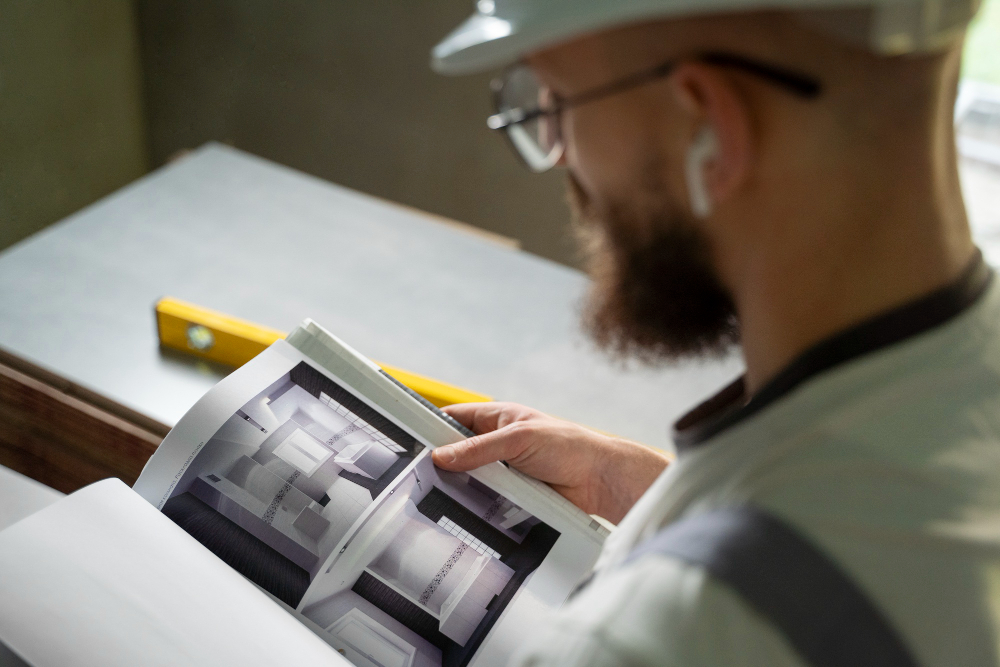
Every structure is designed to withstand specific loads, environmental conditions, and long-term usage. Without proper verification, materials may not perform as expected. Construction material testing ensures that construction materials meet engineering standards, regulatory requirements, and safety benchmarks before they are used in a project.
The Importance of Construction Material Testing
Construction projects involve a variety of materials such as concrete, steel, aggregates, soil, and cement. Each material must meet certain performance criteria to maintain the integrity of the structure. Construction material testing evaluates these materials through scientific analysis and standardized procedures.
Testing helps engineers determine the strength, durability, and reliability of materials before construction begins. When materials are tested properly, project teams can avoid structural weaknesses, construction delays, and costly repairs.
In rapidly developing regions like Pune, where infrastructure and real estate projects continue to grow, reliable construction material testing service in Pune has become essential for maintaining high construction standards.
Ensuring Structural Strength and Durability
One of the main objectives of construction material testing is to verify the strength of materials used in construction. Concrete compressive strength testing, steel tensile strength testing, and aggregate testing help confirm that materials meet the design specifications of the project.
Durability is equally important. Buildings and infrastructure must withstand environmental factors such as moisture, temperature changes, and chemical exposure. Through construction material testing, engineers can evaluate how materials behave under these conditions and ensure long-term structural stability.
This process helps prevent issues such as cracks, corrosion, and material degradation that could affect the safety of the structure.
Preventing Structural Failures
Poor material quality is one of the most common causes of structural failures. If materials are not properly evaluated before use, they can weaken the overall structure over time.
Construction material testing helps identify defects or inconsistencies in materials before they become part of the structure. Soil testing ensures that the foundation is stable and capable of supporting the building load. Non-destructive testing methods allow engineers to examine structural elements without damaging them.
By detecting potential problems early, developers and contractors can make necessary adjustments before construction progresses further.
Meeting Industry Standards and Compliance
Construction projects must follow strict engineering codes and quality regulations. Construction material testing helps ensure that all materials comply with national standards and project specifications.
Testing laboratories provide certified reports that confirm the quality and performance of construction materials. These reports are often required during project approvals, quality audits, and regulatory inspections.
By verifying material quality through proper testing, developers demonstrate their commitment to safety, reliability, and professional construction practices.
Improving Project Efficiency and Cost Management
Many developers initially see testing as an additional step in the construction process. However, construction material testing actually helps save time and money in the long run.
By identifying material issues early, project teams can prevent costly structural repairs, delays, or redesigns. Reliable testing ensures that materials perform as expected, which improves construction efficiency and extends the life of the structure.
In large infrastructure projects, these preventive measures can significantly reduce maintenance costs and improve long-term performance.
The Role of Professional Testing Laboratories
Professional laboratories play an essential role in maintaining construction quality. Equipped with specialized instruments and experienced engineers, these laboratories conduct various tests including concrete testing, soil analysis, steel testing, and non-destructive evaluation.
Accredited testing laboratories follow standardized procedures to ensure accurate and reliable results. Their technical expertise helps construction professionals make informed decisions about the materials used in their projects.
For infrastructure and real estate developments in growing cities like Pune, access to reliable construction material testing service in Pune helps maintain construction safety and engineering excellence.
Frequently Asked Questions
What is construction material testing?
Construction material testing is the process of evaluating materials like concrete, steel, soil, and aggregates to ensure they meet required strength, durability, and safety standards before being used in construction.
Why is construction material testing important for infrastructure projects?
It helps ensure that materials can withstand load, environmental conditions, and long-term use. This reduces the risk of structural failures and improves the overall safety and lifespan of the project.
What types of tests are included in construction material testing?
Common tests include concrete compressive strength testing, steel tensile testing, soil testing, aggregate testing, and non-destructive testing methods to assess structural integrity.
Final Buildup
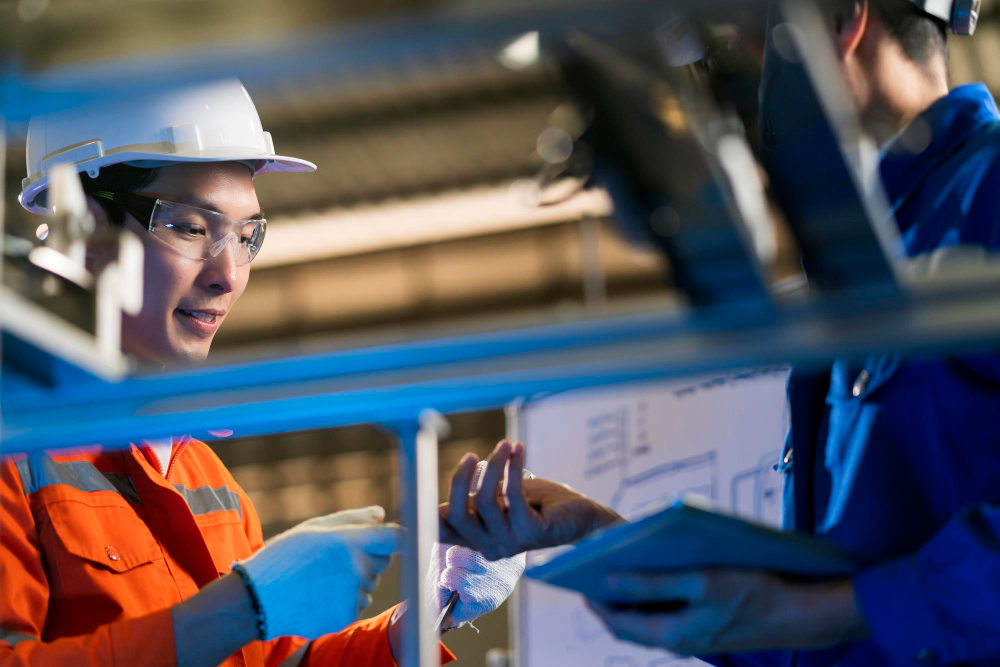
Strong and reliable infrastructure begins with verified materials. Without proper testing, construction projects risk structural weaknesses, compliance issues, and long-term safety concerns. Construction material testing provides the scientific validation needed to ensure that materials meet the required strength, durability, and safety standards.
By supporting quality control, compliance, and long-term structural performance, testing plays a vital role in modern construction. With advanced facilities and technical expertise, Knack Engineering Services Pvt. Ltd. continues to support infrastructure development by providing dependable construction material testing solutions for projects across Pune and beyond.
Image Reference: Freepik
Disclaimer: All trademarks, logos, and brand names are the property of their respective owners. All company, product, and service names used in this website are for identification purposes only. Use of these names, trademarks, and brands does not imply endorsement.