
What is Concrete Cube Testing? A Practical Guide to Strength, Safety, and Site Confidence
In today’s construction environment, precision directly impacts performance, making it imperative to test, verify, and prove strength. It must be tested, verified, and proven. This is where concrete cube testing becomes a critical part of the quality control process. Whether it’s a residential project in Palghar, an industrial setup in Panvel, or a commercial development in Pune, the durability of any structure depends on the quality of concrete used.
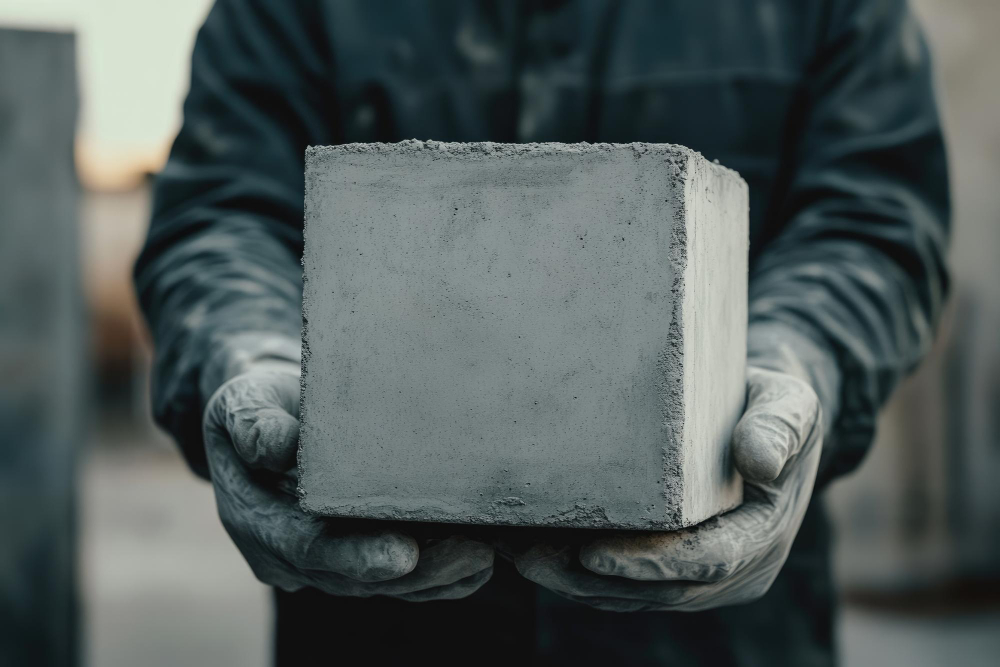
Concrete cube testing is a widely accepted method used to determine the compressive strength of concrete. It gives engineers, contractors, and developers the confidence that their construction materials meet required standards and can perform under real-world conditions.
Understanding Concrete Cube Testing
At its core, concrete cube testing involves casting fresh concrete into cube-shaped moulds and evaluating its strength after curing. It is one of the most reliable ways to measure how well concrete can withstand pressure.
The process of concrete cube testing includes:
- Pouring fresh concrete into standard cube moulds (typically 150mm x 150mm x 150mm)
- Compacting the concrete properly to remove air voids
- Curing the cubes in water for specific durations
- Testing the cubes using a compression testing machine
This structured process ensures that concrete cube testing delivers consistent and accurate results across different construction sites.
Why Concrete Cube Testing Is Important
Quality control in construction is driven by data, not guesswork. Concrete cube testing provides that data, helping teams make informed decisions.
Key reasons why concrete cube testing is essential:
- Ensures Structural Safety by validating compressive strength
- Maintains Consistency across different batches of concrete
- Supports Compliance with engineering and regulatory standards
- Reduces Risk by identifying weak concrete early
Concrete cube testing helps maintain high-quality benchmarks in growing regions like Palghar, Panvel, and Pune, where construction activity is expanding rapidly.
Importance of 7-Day and 28-Day Testing
A key part of concrete cube testing is measuring strength at different stages of curing.
- 7-Day Testing gives an early indication of strength development
- 28-Day Testing confirms the final strength of concrete
These benchmarks allow engineers to track progress and ensure that the material is performing as expected. Without proper concrete cube testing, assessing long-term durability becomes difficult.
Role in On-Site Quality Control
On construction sites, quality control is only effective when supported by reliable testing. Concrete cube testing acts as a checkpoint that connects raw materials to structural performance.
With regular concrete cube testing, project teams can:
- Detect inconsistencies in the concrete mix
- Ensure uniform quality across different stages
- Avoid rework and costly delays
- Strengthen overall project reliability
For projects in Palghar, Panvel, and Pune, consistent concrete cube testing ensures that construction meets both safety and performance expectations.
Importance of NABL-Approved Testing
The location of the testing significantly influences the accuracy of the results. Choosing a certified lab ensures that concrete cube testing follows proper standards and procedures.
A NABL-approved facility enhances:
- Reliability of test results
- Acceptance by regulatory authorities
- Confidence among stakeholders
Professional labs guarantee the use of calibrated equipment and expert supervision for concrete cube testing.
Why Choose Knack Engineering Services Pvt. Ltd.
Knack Engineering Services Pvt. Ltd. is a trusted provider of concrete cube testing in Palghar, Panvel, and Pune, delivering precise and dependable testing services for modern construction needs.
Knack Engineering Services Pvt. Ltd. employs advanced infrastructure and skilled professionals to ensure accuracy and care at every stage of concrete cube testing. Their commitment to quality and timely reporting makes them a preferred partner for developers and contractors across these growing regions.
Common Mistakes to Avoid in Concrete Cube Testing
Even though concrete cube testing is a standard process, small errors can impact results. Some common mistakes include:
- Improper compaction of concrete in moulds
- Inconsistent curing conditions
- Delays in testing timelines
- Use of uncalibrated machines
Avoiding these mistakes ensures that concrete cube testing provides reliable and actionable insights.
Frequently Asked Questions
What is concrete cube testing?
Concrete cube testing is a method used to measure the compressive strength of concrete using cube samples.
Why is concrete cube testing important?
It ensures concrete strength, safety, and compliance with construction standards.
How is concrete cube testing done?
Concrete is cast in moulds, cured, and tested in a compression machine.
Final Buildup

Strong structures begin with strong materials and verified data. Concrete cube testing transforms quality control into a measurable, dependable process that ensures safety and durability.
For construction projects across Palghar, Panvel, and Pune, working with experts like Knack Engineering Services Pvt. Ltd. for concrete cube testing ensures confidence at every stage, from foundation to completion.
Image Reference: Freepik
Disclaimer: All trademarks, logos, and brand names are the property of their respective owners. All company, product, and service names used in this website are for identification purposes only. Use of these names, trademarks, and brands does not imply endorsement.