NABL-Accredited TMT Bar Testing | Ensure Structural Safety | Knack
The success of any high-rise building depends on more than architectural design and construction expertise. At its core lies one critical element that determines the strength, stability, and longevity of the structure steel reinforcement. Whether it is a residential tower, commercial complex, industrial facility, or infrastructure project, Thermo-Mechanically Treated (TMT) bars form the backbone of reinforced concrete construction.
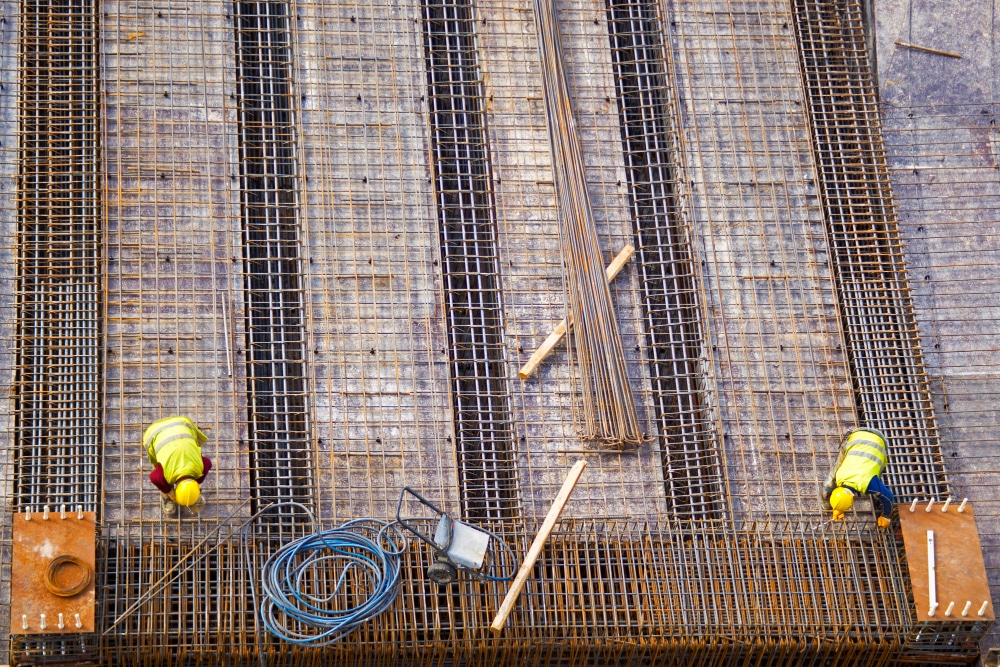
While builders often focus on concrete quality, foundation design, and project timelines, overlooking the quality of steel reinforcement can lead to serious structural risks. This is why NABL-accredited TMT bar testing has become an essential part of modern construction quality control.
Why Steel Testing Matters in High-Rise Construction
High-rise structures constantly experience various loads, including dead loads, live loads, wind pressure, temperature variations, and seismic forces. The reinforcing steel used in concrete must withstand these stresses throughout the building’s lifespan.
Even when steel bars appear identical, significant differences can exist in their chemical composition, manufacturing process, and mechanical properties. Without proper testing, builders may unknowingly use materials that fail to meet design specifications or regulatory standards.
Third-party laboratory testing provides independent verification that the steel delivered to a project site performs as expected. This improves safety and helps developers comply with project specifications, consultant requirements, and quality assurance protocols.
Understanding the Three Types of TMT Bars
Not all TMT bars are manufactured in the same way. Understanding the differences between Primary, Secondary, and Corrosion Resistant Steel (CRS) bars is essential for selecting the right reinforcement material.
Primary TMT Bars
Primary TMT bars are manufactured directly from iron ore in integrated steel plants. These facilities maintain strict control over raw materials and production processes, resulting in steel with highly consistent chemical and mechanical properties.
Because of their reliability and uniformity, primary steel bars are commonly preferred for critical infrastructure and large-scale projects where performance consistency is a priority.
Secondary TMT Bars
Secondary TMT bars are produced through re-rolling processes using billets or recycled steel materials. While these bars can offer economic advantages, their quality may vary depending on the source material and manufacturing practices.
Variations in chemical composition can directly impact strength, ductility, and overall structural performance. As a result, rigorous testing of every batch becomes particularly important before these materials are incorporated into construction.
Corrosion Resistant Steel (CRS) Bars
CRS bars are specially designed to resist corrosion in aggressive environments. They contain specific alloying elements that improve durability in areas exposed to moisture, coastal conditions, industrial pollution, or corrosive groundwater.
However, simply labelling steel as CRS does not guarantee its performance. Laboratory testing is necessary to confirm that the steel contains the required elemental composition and meets the intended corrosion-resistance standards.
Essential Tests Conducted Under NABL Accreditation
To ensure steel reinforcement meets project requirements, several critical mechanical and physical tests are performed within an NABL-accredited laboratory environment.
Ultimate Tensile Strength (UTS)
Ultimate Tensile Strength measures the maximum stress that a steel bar can withstand before failure. This test helps determine whether the reinforcement can safely handle the loads anticipated during the structure’s service life.
Yield Strength and 0.2% Proof Stress
Yield strength indicates the point at which steel begins to deform permanently. Understanding this limit is crucial because it directly influences structural design calculations and load-bearing capacity.
The 0.2% proof stress test is particularly important for materials where a clear yield point may not be visible.
Percentage Elongation and Total Elongation at Maximum Force
Ductility is a critical property in reinforced concrete structures, especially in earthquake-prone regions. These tests measure the steel’s ability to stretch under load before failure.
Steel with adequate elongation can absorb energy and deform safely during extreme loading conditions rather than breaking suddenly, which significantly improves structural resilience.
Bend and Re-Bend Testing
Construction activities frequently require steel bars to be bent during fabrication and installation. Bend and re-bend tests evaluate whether the material can withstand these operations without developing cracks or fractures.
This test helps ensure that the steel maintains its integrity even after on-site shaping and handling.
Weight per Meter Length
Structural engineers rely on standard steel weights when preparing designs and quantity calculations. Testing the weight per metre length confirms that the supplied material conforms to specified dimensions and nominal mass requirements.
Any significant deviation could impact both structural performance and material consumption calculations.
The Value of NABL-Accredited Third-Party Testing
When safety, compliance, and long-term performance are at stake, relying solely on manufacturer declarations is not enough. Independent testing from an NABL-accredited laboratory provides confidence that the material truly meets specified standards.
Accredited laboratories operate under strict quality systems, validated testing procedures, calibrated equipment, and qualified technical personnel. This ensures that test results are accurate, traceable, and widely accepted by consultants, developers, contractors, and regulatory authorities.
For builders, these reports serve as a crucial quality assurance tool that reduces risk and supports informed decision-making throughout the construction process.
Frequently Asked Questions
Why is TMT bar testing important for construction projects?
TMT bar testing verifies the strength, ductility, and quality of steel reinforcement, ensuring structural safety and compliance with project specifications.
What is the difference between Primary and Secondary TMT bars?
Primary TMT bars are manufactured directly from iron ore and offer consistent quality, while Secondary TMT bars are produced from billets or recycled materials and require thorough testing to verify performance.
What are CRS steel bars and where are they used?
Corrosion Resistant Steel (CRS) bars are specially designed to resist corrosion in coastal, humid, and chemically aggressive environments, improving the lifespan of structures.
Build with Confidence
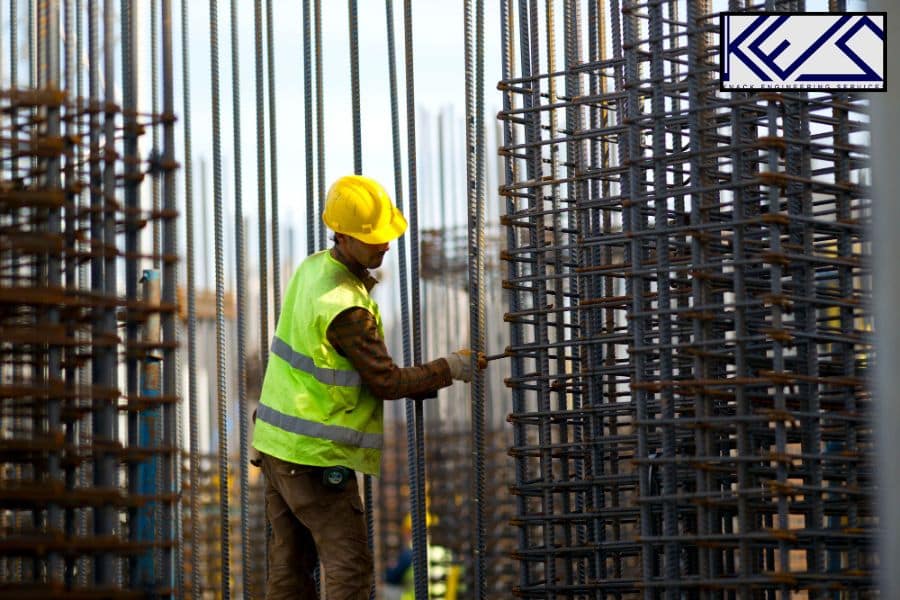
Steel reinforcement forms the structural skeleton of every high-rise building. Selecting the right material is important, but verifying its performance through accredited testing is equally critical.
At Knack Engineering Services Pvt. Ltd., we conduct comprehensive testing of TMT bars, structural steel sections, and steel plates at NABL-accredited facilities to help builders ensure compliance, quality, and long-term structural safety.
Mumbai Facility: NABL Accredited | Certificate Number: TC-6828
Taloja Facility: NABL Accredited | Certificate Number: TC-15250
Before your next concrete pour, make sure the steel reinforcing your project has been independently verified. Because when it comes to structural safety, assumptions should never replace testing.
Image Reference: Magnific
Disclaimer: All trademarks, logos, and brand names are the property of their respective owners. All company, product, and service names used in this website are for identification purposes only. Use of these names, trademarks, and brands does not imply endorsement.