
Concrete Durability | How Quality Concrete Improves Structural Life
Concrete is the backbone of modern construction. From residential buildings to bridges, highways, and large infrastructure projects, concrete supports structures that must endure heavy loads and environmental stress for decades. This is where concrete durability becomes a critical factor. The durability of concrete determines how well a structure can resist weather conditions, chemical exposure, and long-term wear without losing its strength.
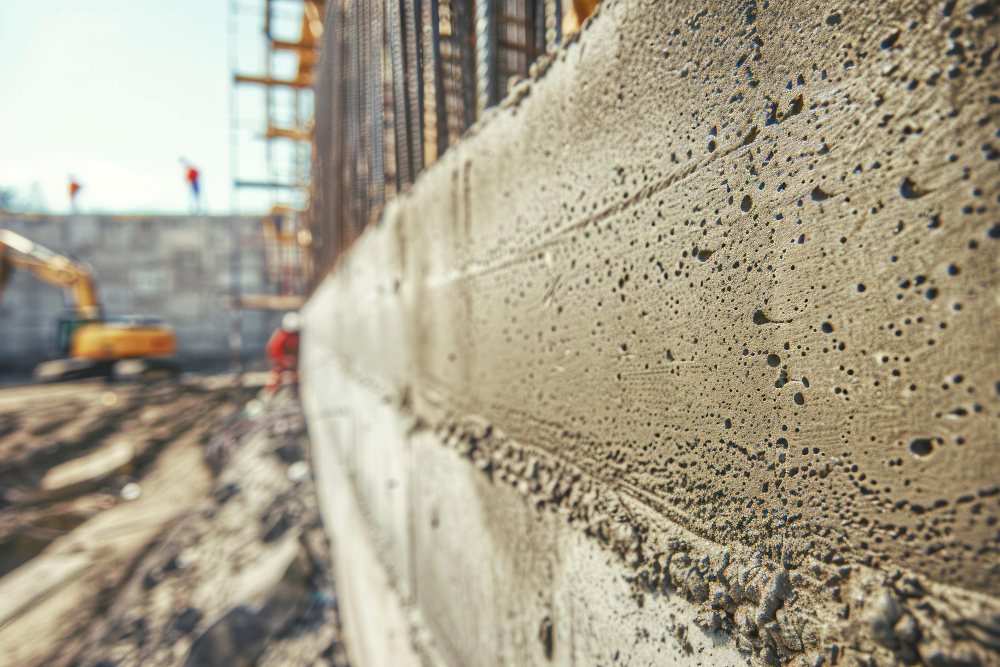
In today’s construction environment, simply using concrete is not enough. Engineers and developers must ensure that the concrete used in a project has the necessary durability to maintain structural stability over time. Proper testing, mix design, and quality control all play an important role in improving concrete durability.
Understanding Concrete Durability in Construction
Concrete durability refers to the ability of concrete to withstand environmental conditions and mechanical stress without significant deterioration. When concrete is durable, it resists cracking, corrosion, moisture penetration, and chemical reactions that could weaken the structure.
Several factors influence concrete durability, including the quality of raw materials, water-cement ratio, curing process, and exposure conditions. If any of these elements are not properly managed, the concrete may degrade prematurely, reducing the life of the structure.
Ensuring strong concrete durability helps protect buildings, bridges, and infrastructure from long-term damage and costly repairs.
Why Concrete Durability Matters for Structural Life
Structures are expected to last for many decades. Without adequate concrete durability, the structural integrity of a building can gradually decline. Environmental conditions such as moisture, temperature fluctuations, and pollutants can weaken poorly designed concrete.
High levels of concrete durability allow structures to maintain their strength even in challenging conditions. Durable concrete reduces the risk of cracks, reinforcement corrosion, and surface deterioration.
This is especially important for cities experiencing rapid urban development. In growing regions like Panvel, where residential and infrastructure projects are expanding, reliable concrete durability testing in Panvel helps ensure that construction materials can withstand long-term environmental exposure.
Factors That Affect Concrete Durability
Several technical factors contribute to the durability of concrete. Understanding these factors helps engineers design mixes that provide long-term structural performance.
Quality of Raw Materials – The type and quality of cement, aggregates, and water directly influence concrete durability. High-quality materials create stronger bonds within the concrete structure and improve resistance to environmental stress.
Water-Cement Ratio – A proper water-cement ratio is essential for achieving strong concrete durability. Too much water weakens the concrete matrix, making it more susceptible to cracking and moisture penetration.
Proper Curing – Curing allows concrete to gain strength over time. Without adequate curing, concrete may not achieve the durability required for structural stability.
Environmental Exposure – Concrete structures are often exposed to moisture, chemicals, and temperature variations. Designing concrete mixes that account for these conditions helps improve overall concrete durability.
The Role of Concrete Durability Testing
Testing is one of the most effective ways to evaluate concrete durability. Laboratory and field tests help determine how concrete will perform under real-world conditions.
Durability testing may include permeability tests, chemical resistance analysis, and strength evaluations. These tests provide valuable insights into the long-term performance of concrete.
By conducting thorough testing, engineers can adjust the mix design and construction methods to achieve the desired level of concrete durability. This proactive approach helps avoid structural problems later in the project lifecycle.
Long-Term Benefits of Durable Concrete
Improving concrete durability offers several long-term benefits for construction projects. Durable concrete structures require less maintenance, experience fewer structural issues, and maintain their performance over extended periods.
Strong durability also protects reinforcement steel from corrosion, which is one of the leading causes of structural deterioration. By improving concrete durability, developers can extend the life of their projects and reduce long-term repair costs.
For growing urban areas and infrastructure development, investing in durable concrete ensures that buildings and public structures remain safe and functional for many years.
Final Buildup
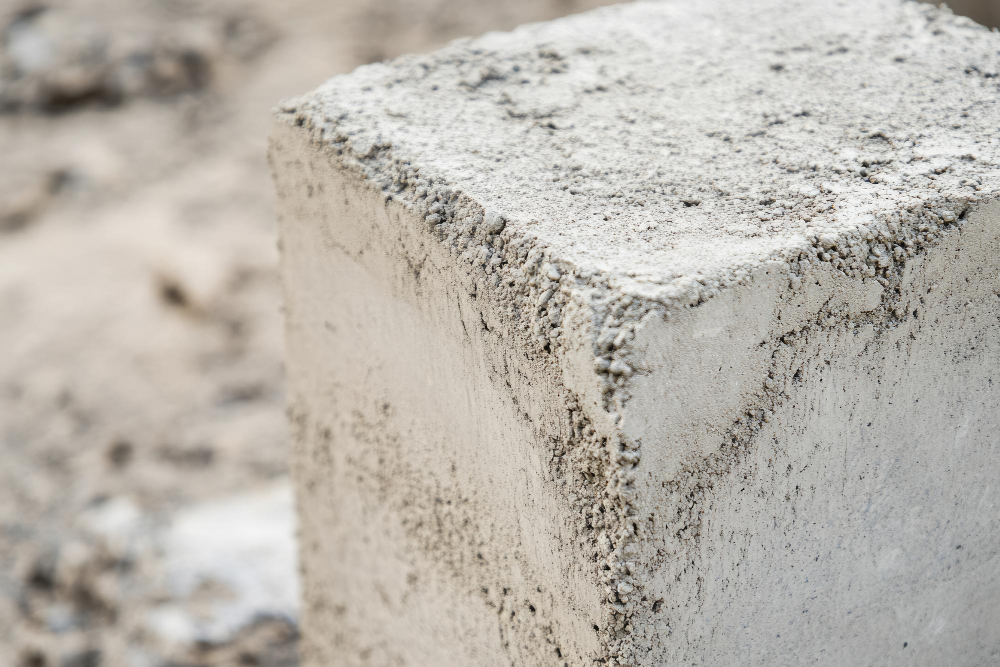
Concrete is one of the most widely used construction materials in the world, but its long-term performance depends largely on its durability. Proper mix design, quality materials, and professional testing all contribute to improving concrete durability and protecting structural integrity.
By ensuring that concrete meets required durability standards, construction professionals can build structures that withstand environmental stress and maintain their strength for decades. With its expertise in material evaluation and quality assurance, Knack Engineering Services Pvt. Ltd. supports construction projects by providing reliable testing solutions that help achieve stronger and more durable concrete structures.
Image Reference: Freepik
Disclaimer: All trademarks, logos, and brand names are the property of their respective owners. All company, product, and service names used in this website are for identification purposes only. Use of these names, trademarks, and brands does not imply endorsement.