
Thermal Cracking in Concrete | Prevent Cracks with Temperature Monitoring | KNACK
Concrete is one of the most lasting construction materials used in modern infrastructures. But even good quality concrete can crack in the early stages of curing if temperature changes are not properly controlled. Thermal cracking is one of the most common problems when pouring large quantities of concrete, and it can affect durability, service life and long-term structural performance.
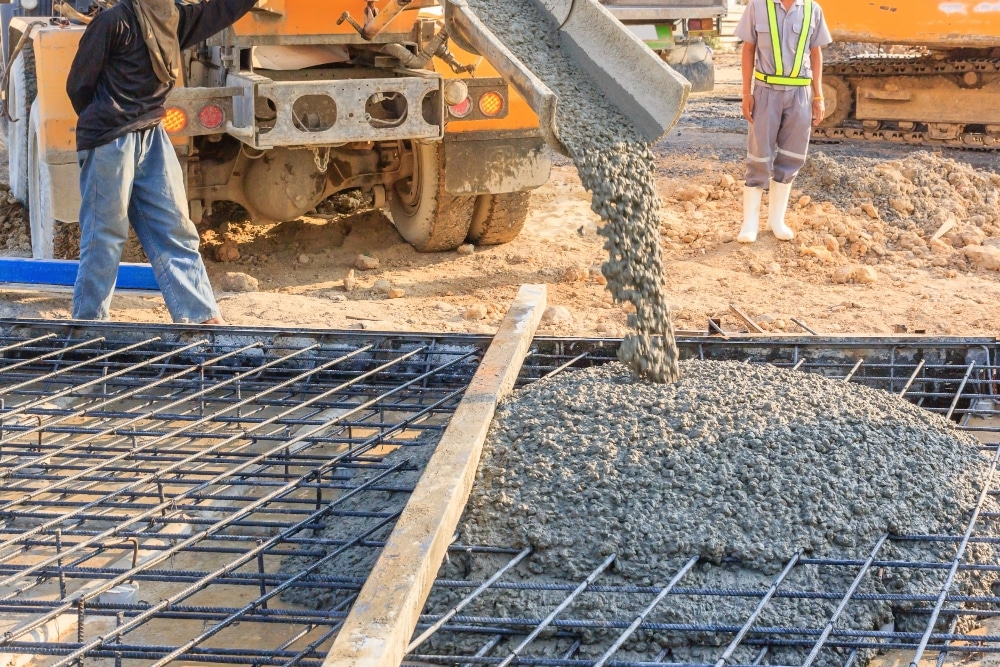
With the increase in construction projects, it is essential to understand thermal cracking and have effective monitoring strategies to ensure quality construction practices.
What is thermal cracking?
Thermal cracking occurs when concrete experiences excessive tensile stresses caused by temperature differences between the internal core and the external surface during the hydration process.
As cement reacts with water, heat is generated naturally. In large concrete elements such as raft foundations, pile caps, dams, bridge foundations, and machine foundations, this heat becomes trapped within the concrete mass. While the core temperature continues to rise, the outer surface cools more rapidly.
When the temperature differential becomes excessive, tensile stresses develop. Since young concrete has limited tensile strength, these stresses can result in cracking.
Thermal cracks may appear within hours or days after concrete placement and often become the starting point for future durability issues.
Common Causes of Thermal Cracking
Several factors can increase the likelihood of thermal cracking:
Large Concrete Pours
Mass concrete elements retain heat for longer periods, creating significant temperature differences between the core and surface.
High Cement Content
Higher cement content generates more heat during hydration, increasing the risk of excessive temperature rise.
Hot Weather Conditions
Elevated ambient temperatures can increase initial concrete temperatures and accelerate heat generation.
Poor Curing Practices
Inadequate curing allows the concrete surface to cool too quickly, increasing thermal stress.
Rapid Surface Cooling
Sudden drops in temperature due to wind, rain, or night-time cooling can create large temperature gradients.
Lack of Temperature Monitoring
Without accurate temperature data, project teams may be unaware of potentially dangerous temperature differentials developing within the concrete.
Why Thermal Cracks Matter
Many thermal cracks initially appear minor or superficial. However, even small cracks can create long-term durability concerns.
Thermal cracking can lead to:
- Water ingress
- Chloride penetration
- Reinforcement corrosion
- Reduced structural durability
- Increased maintenance requirements
- Higher lifecycle repair costs
For critical infrastructure projects, preventing cracks at the construction stage is far more cost-effective than repairing them later.
How to Prevent Thermal Cracking
Successful thermal crack prevention requires a combination of engineering controls and construction best practices.
Optimised Mix Design
Reducing heat-generating cement content where feasible can help control peak temperatures.
Controlled Concrete Placement
Managing pour sizes and placement sequences can minimise heat buildup.
Effective Curing
Proper curing techniques help regulate surface temperatures and moisture loss.
Insulation Measures
Thermal blankets and insulation systems may be used to reduce rapid surface cooling.
Continuous Concrete Temperature Monitoring
Among all preventive measures, concrete temperature monitoring provides the most direct insight into thermal behaviour during curing.
By continuously measuring internal and surface temperatures, engineers can monitor:
- Peak concrete temperature
- Core temperature
- Surface temperature
- Temperature differential
- Cooling rate
This real-time information enables timely corrective actions before cracking occurs.
The Role of Temperature Monitoring in Quality Construction
Modern monitoring systems utilise calibrated embedded sensors connected to automated data logging equipment. These systems provide continuous temperature records throughout the curing cycle.
Rather than relying on assumptions, project teams gain accurate and traceable data that supports informed engineering decisions.
Temperature monitoring is now widely adopted across:
- High-rise developments
- Metro rail projects
- Bridges
- Industrial foundations
- Marine structures
- Large infrastructure projects
The technology plays a vital role in protecting concrete durability and ensuring long-term structural performance.
Why Choose KNACK ENGINEERING SERVICES PRIVATE LIMITED?
KNACK ENGINEERING SERVICES PRIVATE LIMITED provides specialised Concrete Temperature Monitoring services using calibrated embedded sensors and advanced automated data logging systems.
NABL Accreditation Certificate No. TC-6868 applies to the accredited scope of concrete temperature monitoring services.
Our technical team supports developers, consultants, EPC contractors, and infrastructure project owners by delivering accurate, reliable, and traceable temperature data throughout the curing process.
Whether the project involves mass concrete foundations, bridges, metro infrastructure, or industrial facilities, our monitoring solutions help minimise thermal cracking risks and improve construction quality.
Frequently Asked Questions
What is thermal cracking in concrete?
Thermal cracking occurs when temperature differences between the concrete core and surface create tensile stresses that exceed the concrete's early-age strength, resulting in cracks.
Why is thermal cracking common in mass concrete?
Mass concrete retains heat generated during cement hydration. As the core remains hot and the surface cools faster, temperature differentials develop, increasing the risk of cracking.
What structures typically require temperature monitoring?
Temperature monitoring is commonly used for raft foundations, pile caps, bridges, dams, metro stations, machine foundations, thick retaining walls, and other mass concrete structures.
Final Buildup

Thermal cracking remains one of the most significant challenges in mass concrete construction. Left uncontrolled, temperature-induced cracking can reduce durability, increase maintenance costs, and shorten the service life of critical structures.
Through proper mix design, controlled placement, effective curing, and continuous concrete temperature monitoring, project teams can significantly reduce thermal cracking risks and improve long-term structural performance.
For modern infrastructure projects, proactive temperature monitoring is not simply a quality-control measure it is an investment in durability, safety, and long-term reliability.
Image Reference: Magnific
Disclaimer: All trademarks, logos, and brand names are the property of their respective owners. All company, product, and service names used on this website are for identification purposes only. Use of these names, trademarks, and brands does not imply endorsement.